FISH – Fish are aquatic vertebrates with fins for swimming and gills for breathing. Fish has very little connective tissues. It means that:
- Fish cooks very quickly, even at low heat.
- Fish is naturally tender.
- Moist-heat cooking methods are used not to create tenderness but to preserve moistness and provide variety.
SEAFOOD – A collective term of shellfish and other small edible marine animals like- crabs, oysters etc. It may be served as a main course or as a special appetizer course like – smoked salmon, oysters, baked clams, fried calamari etc. which are often served accompanied by maitre d’ hotel (compound butter) and rye bread or served raw on a bed of ice.
CLASSIFICATION OF FISH
1. FIN FISH : are vertebrates and have skin and scales which cover their body. They move with the help of fins. They have very little connective tissues. It is subdivided into two types:
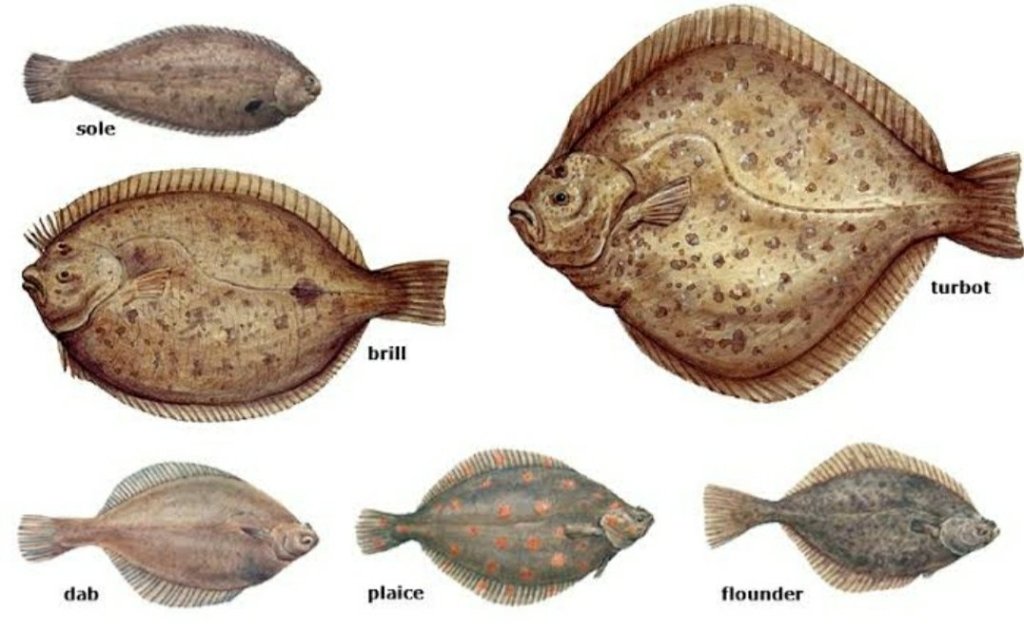
- White Fish- These all are flat fish except cod and contains fat only on liver. For eg. Plaice, sole etc.
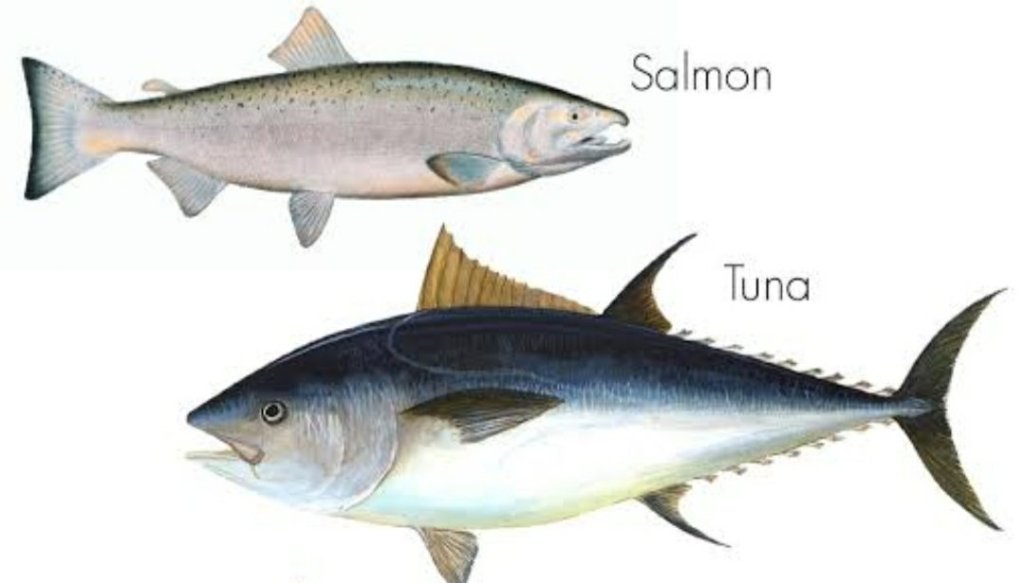
- Oily Fish- These all are round fish and contain fat all over the body. For eg. Salmon, tuna, moray etc.
2. SHELLFISH : are invertebrates and have a shell covering the body. They are subdivided into three types:
- Molluscs- The shells of molluscs increase at the arte of 1 ring per year to allow for the growth of the organism. The age of molluscs can does be estimated by the numbers of rings on the shell. They are again subdivided into two categories:
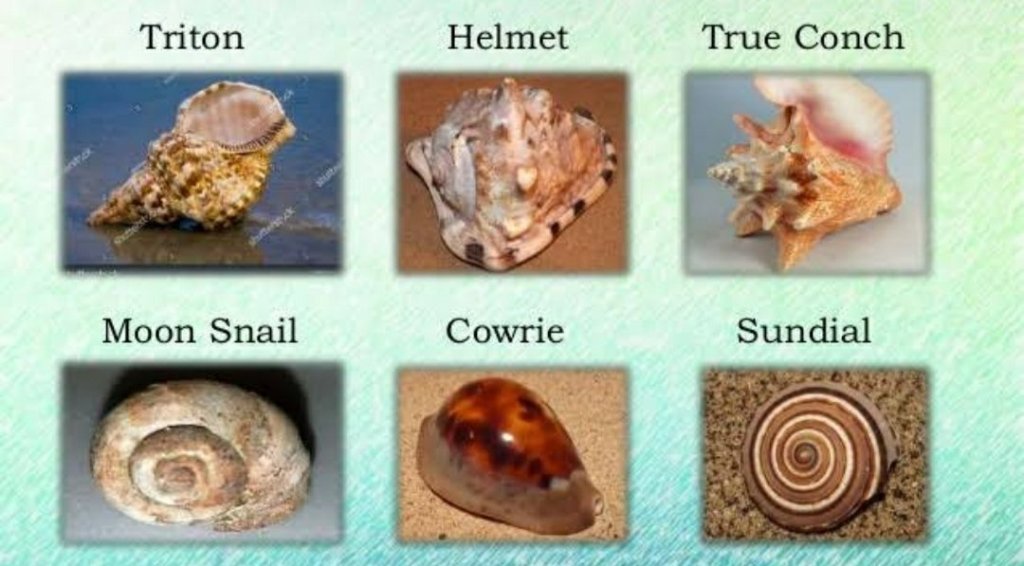
A.Univalves: A molluscs with a shell consisting of one valve. Univalve are also known as “Gastropods“. A molluscs with a univalve shell has a foot and head that live inside the shell. Univalves can live in the water or outside the water. For eg. Periwinkles, snails, abalone etc.
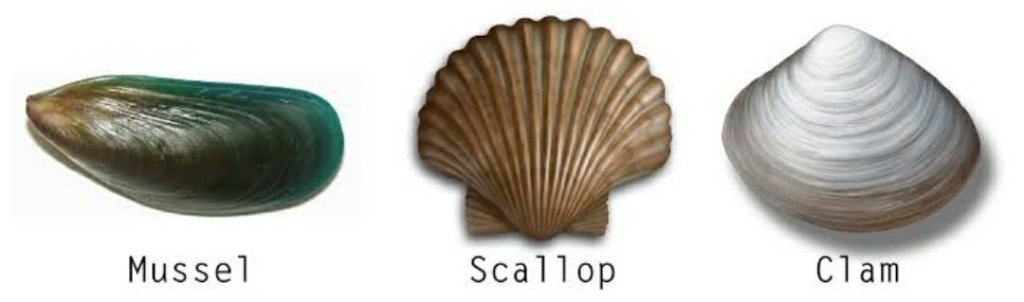
B.Bivalves: A molluscs with a shell consisting of two valves. They do not have a head, just the body that resides in between the two shells that open and close at will, usually to feed. Some have a very long foot that either digs or attaches itself onto things. They can be found in both freshwater and saltwater. For eg. Scallops, clams, oysters, mussels etc.
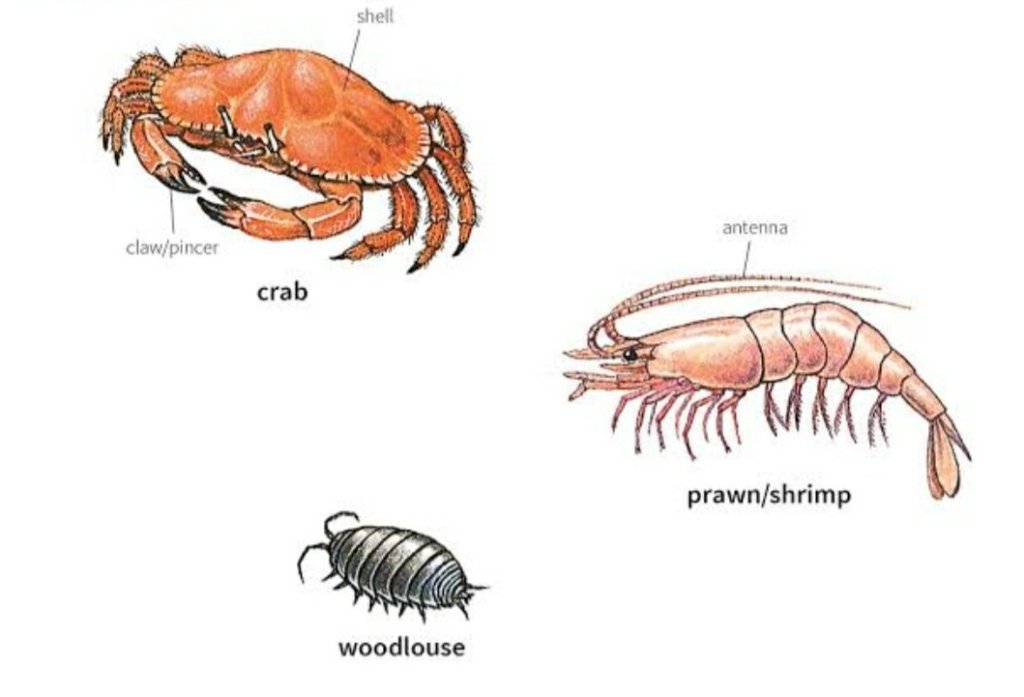
- Crustaceans- They are an arthropods of the large, mainly aquatic group, such as crabs, lobster, shrimp, prawns, barnacles etc. They have crust like shell over their body.
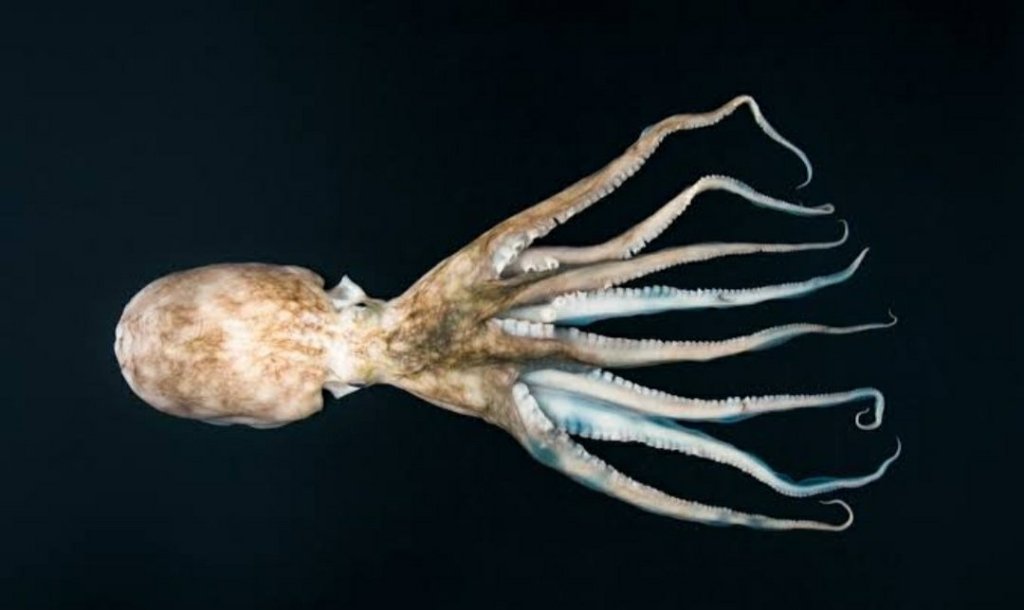
- Cephalopods- The term cephalopod means “head-foot”, referring to the fact that these animals have tentacles, or “legs”, attached to the head, surrounding the mouth. Cephalopods are marine animals which do not have any backbone. For eg. Octopus, squid, cuttlefish, jellyfish etc.
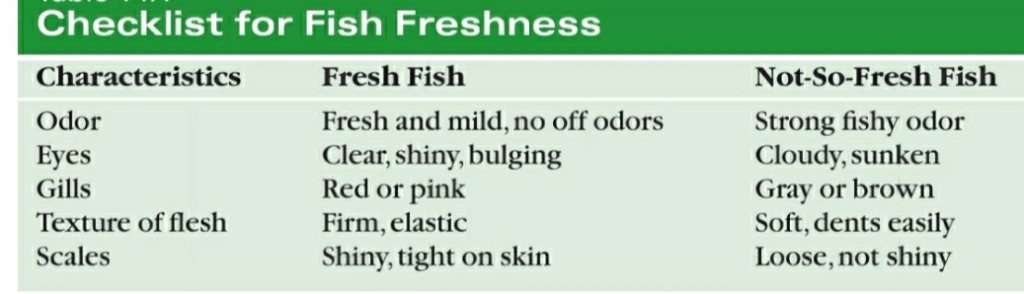
QUALITIES OF GOOD FISH
- Fish should look and smell good.
- The scales should be shiny.
- Eyes should be bright and not sunken.
- The body should be rather heavy in relation to length.
- Tail should be stiff.
- Gills should be of red colour.
- Fish should comes into original position when it is pressed by finger.
- If the scales comes out themselves, then the fish is stale.
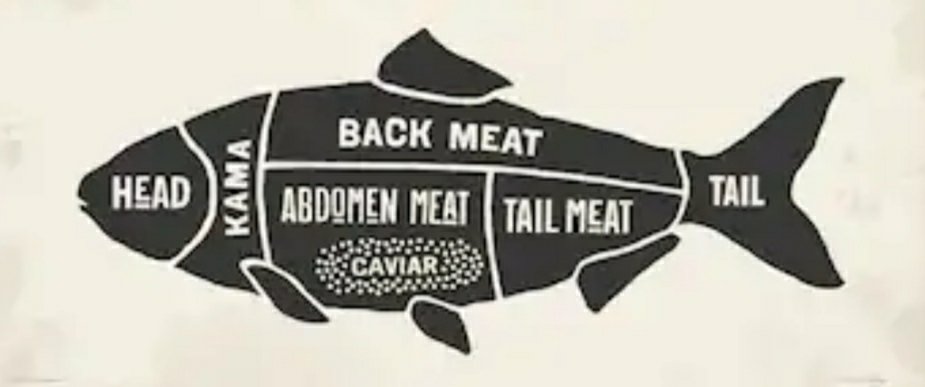
CUTS OF FISH
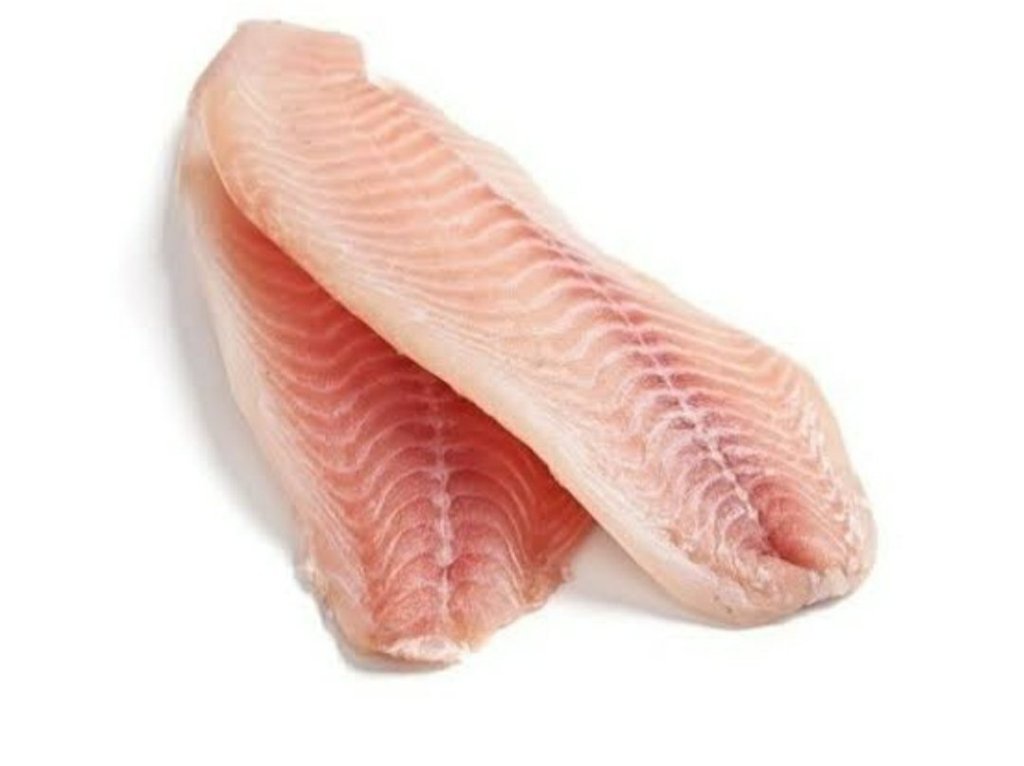
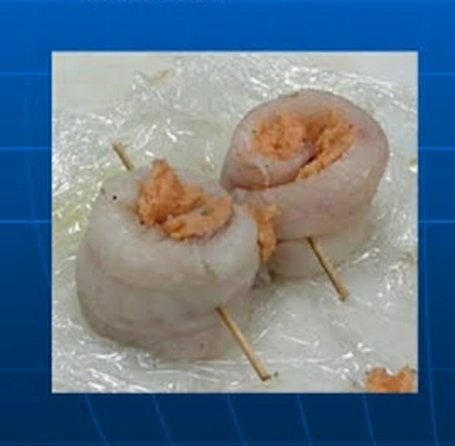
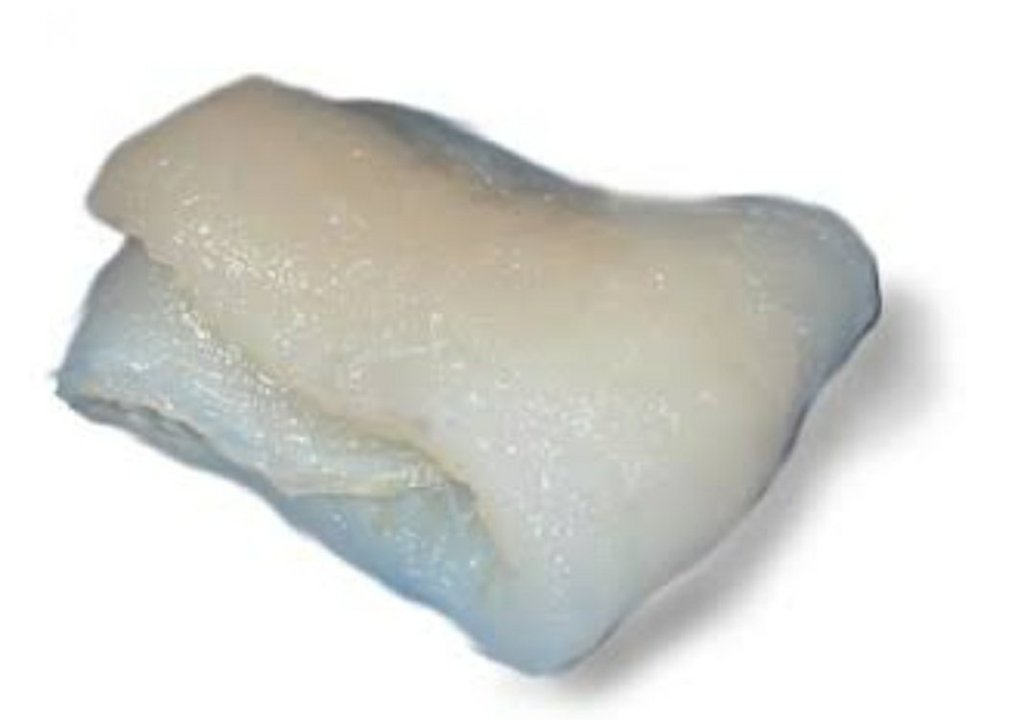
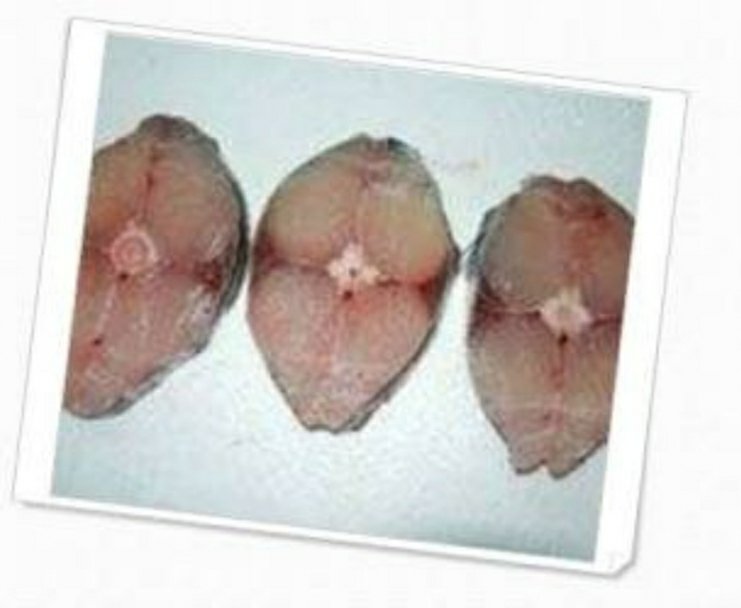
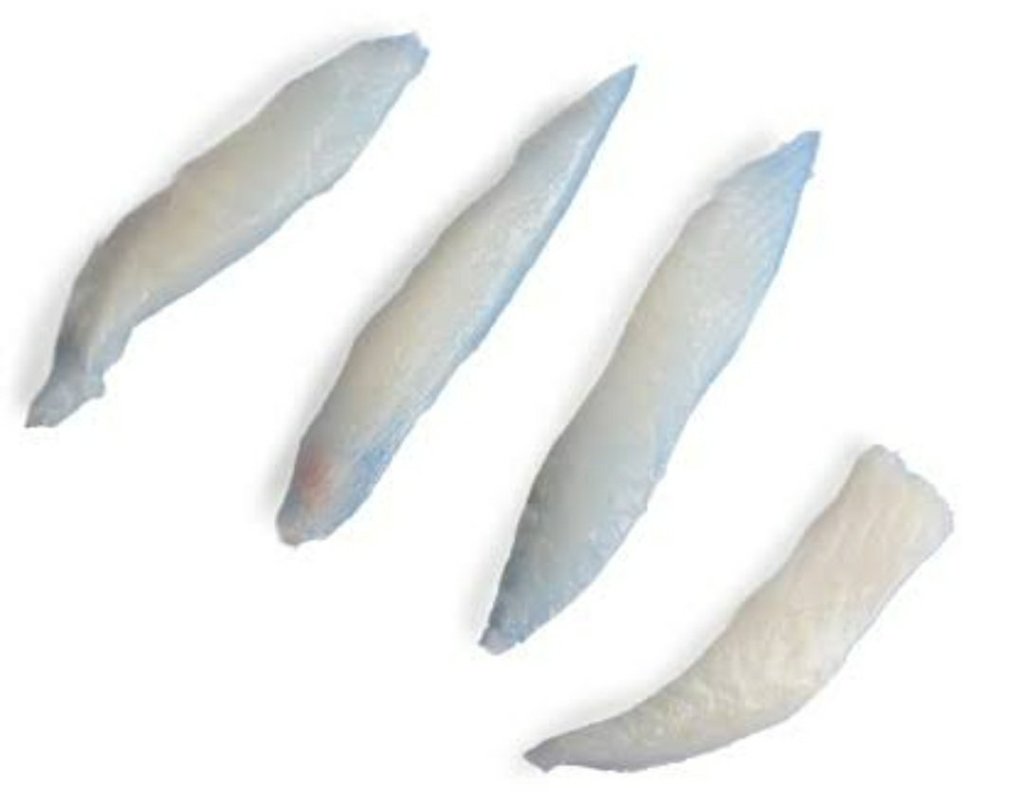
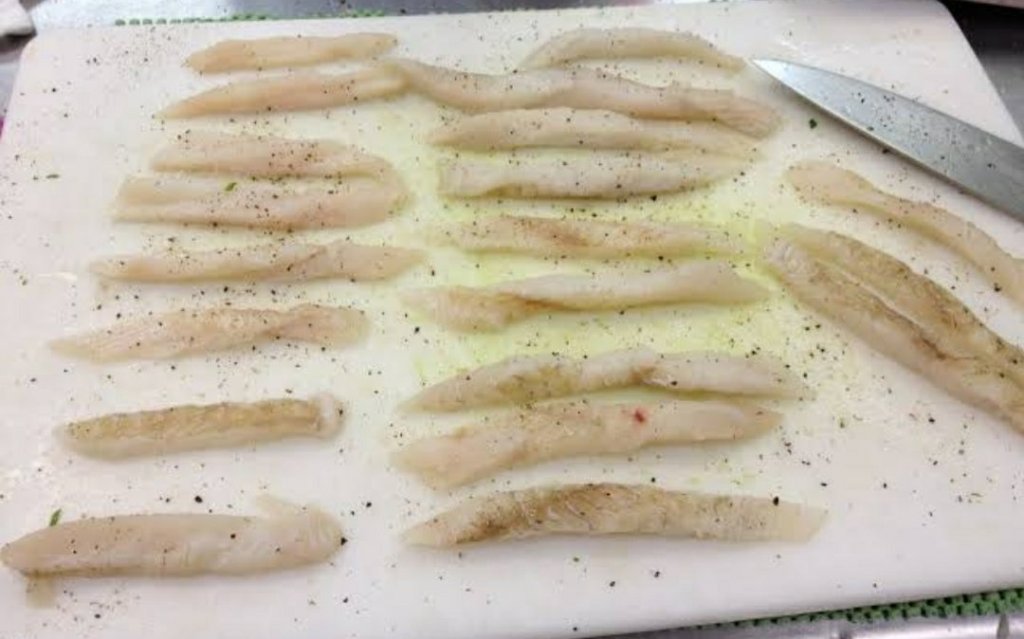
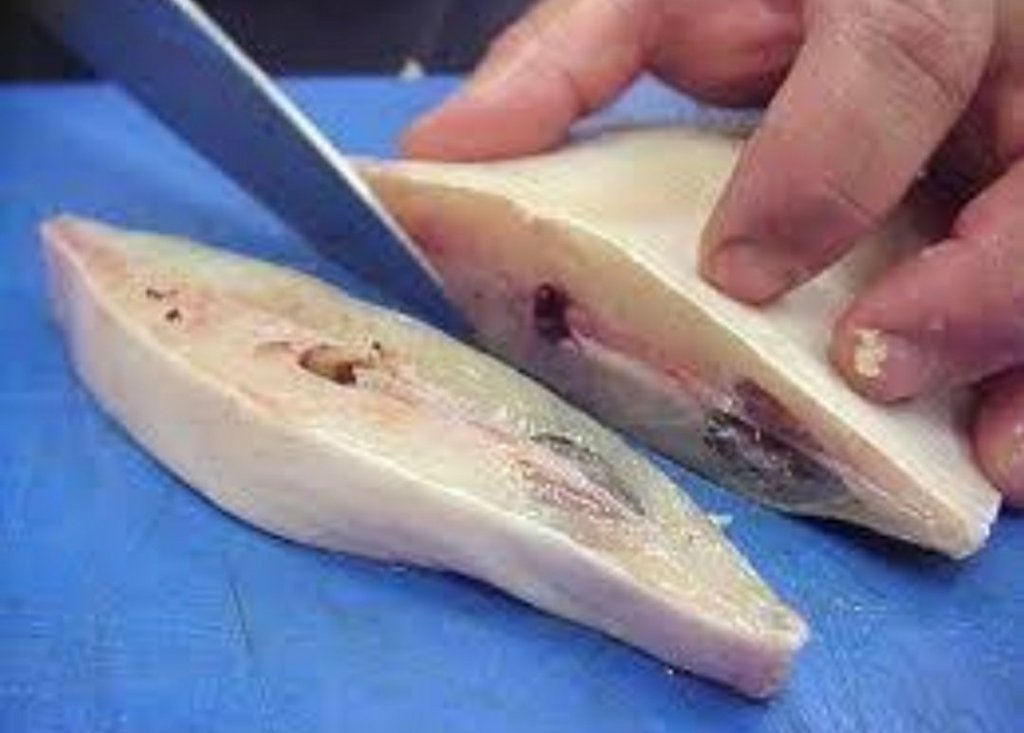
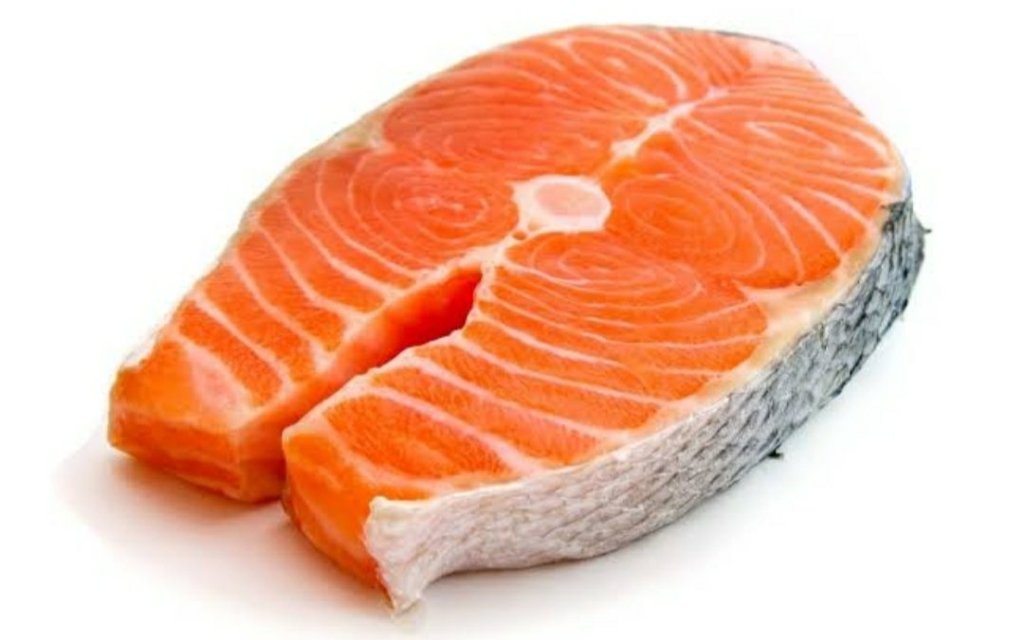
DRESSING OF FISH
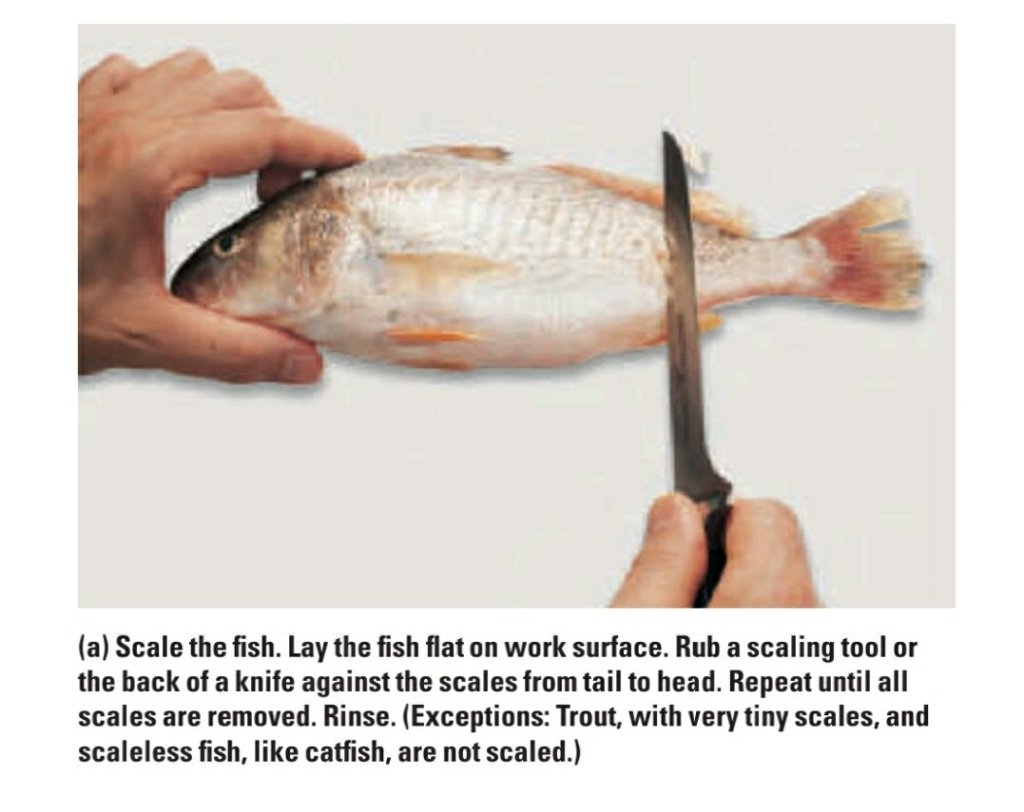
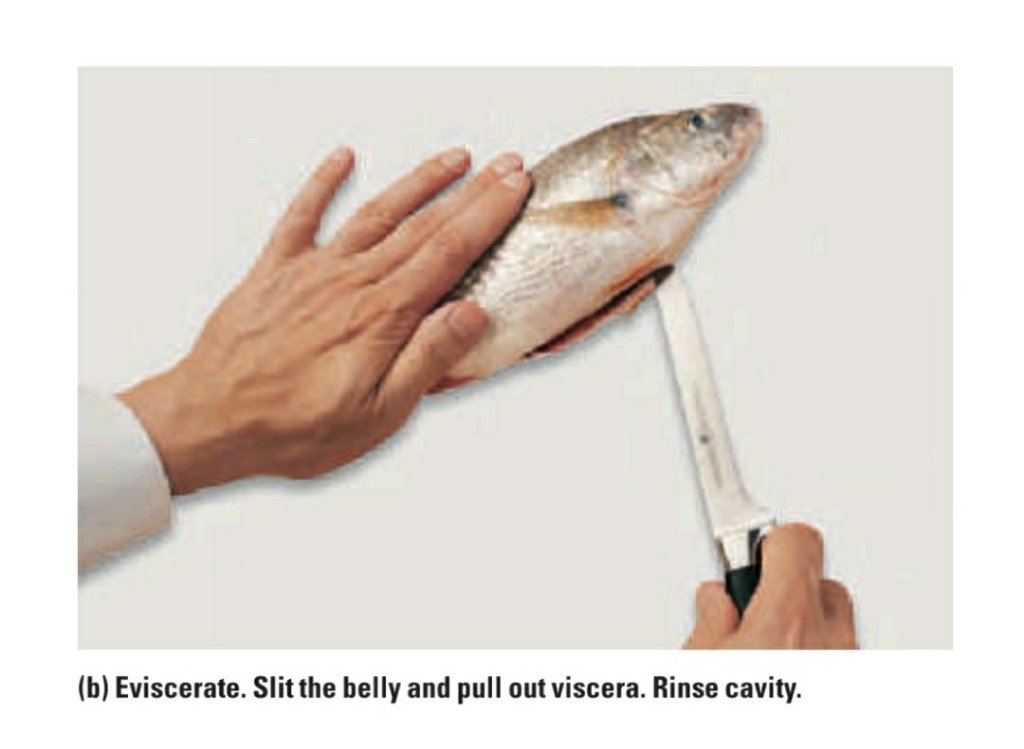
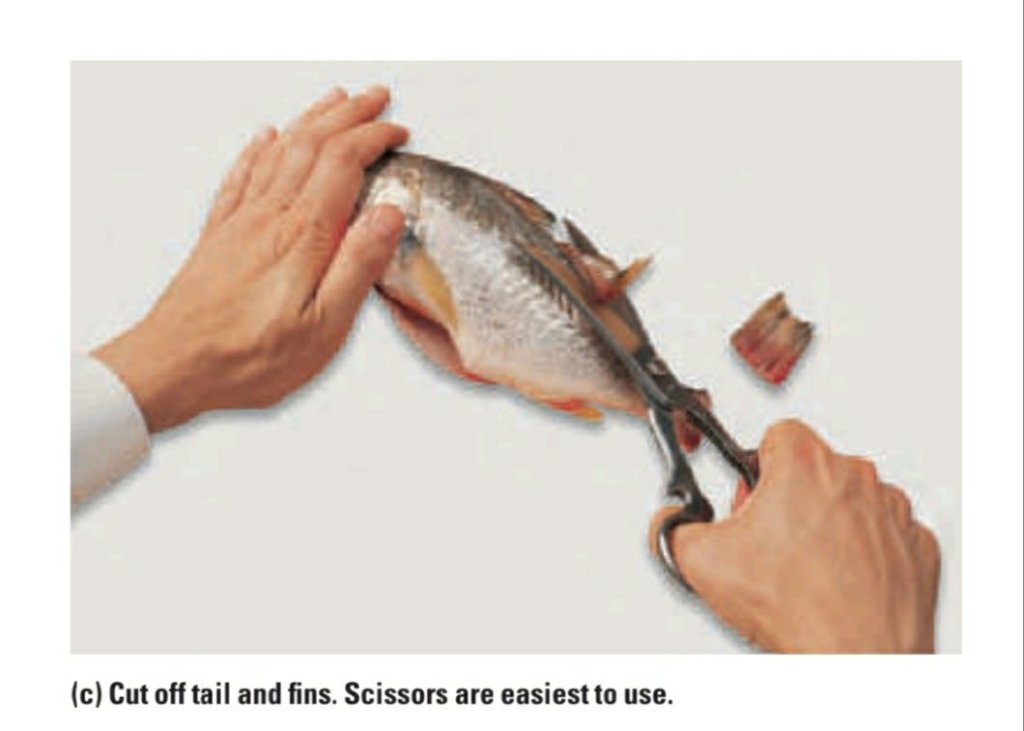
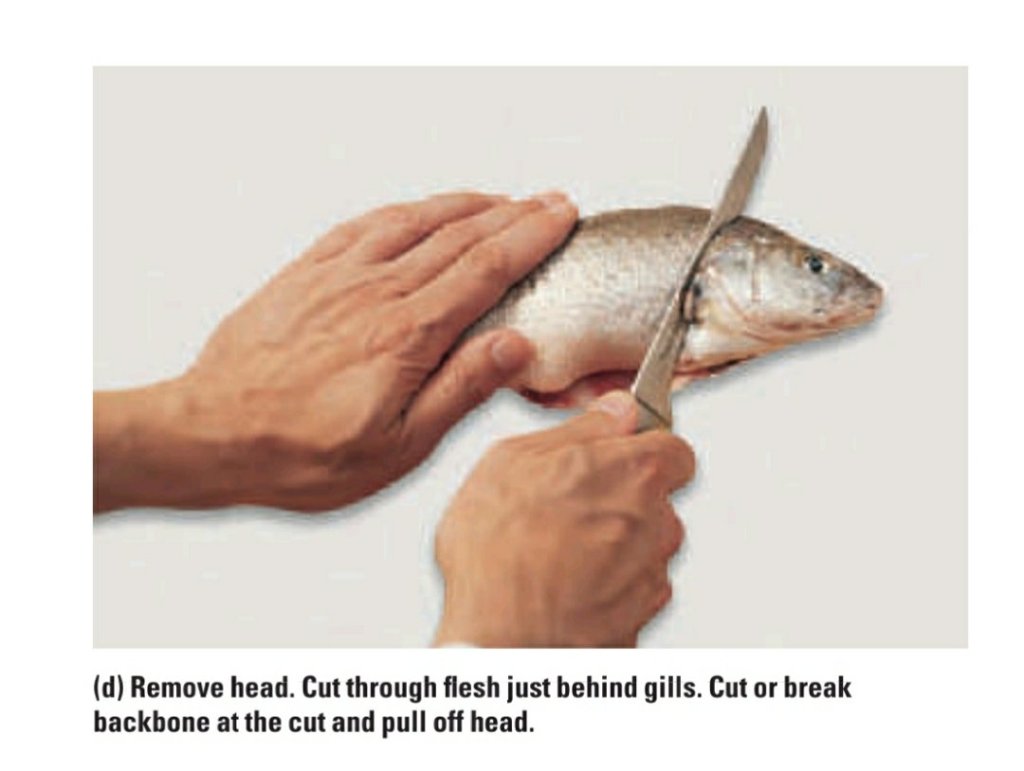
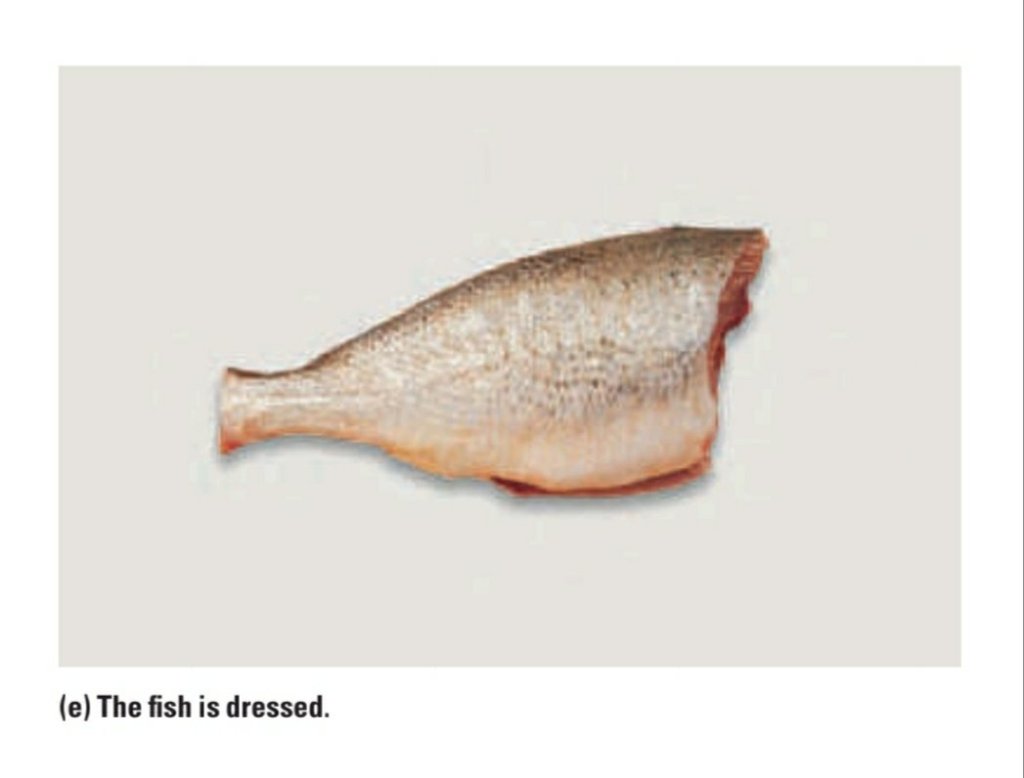
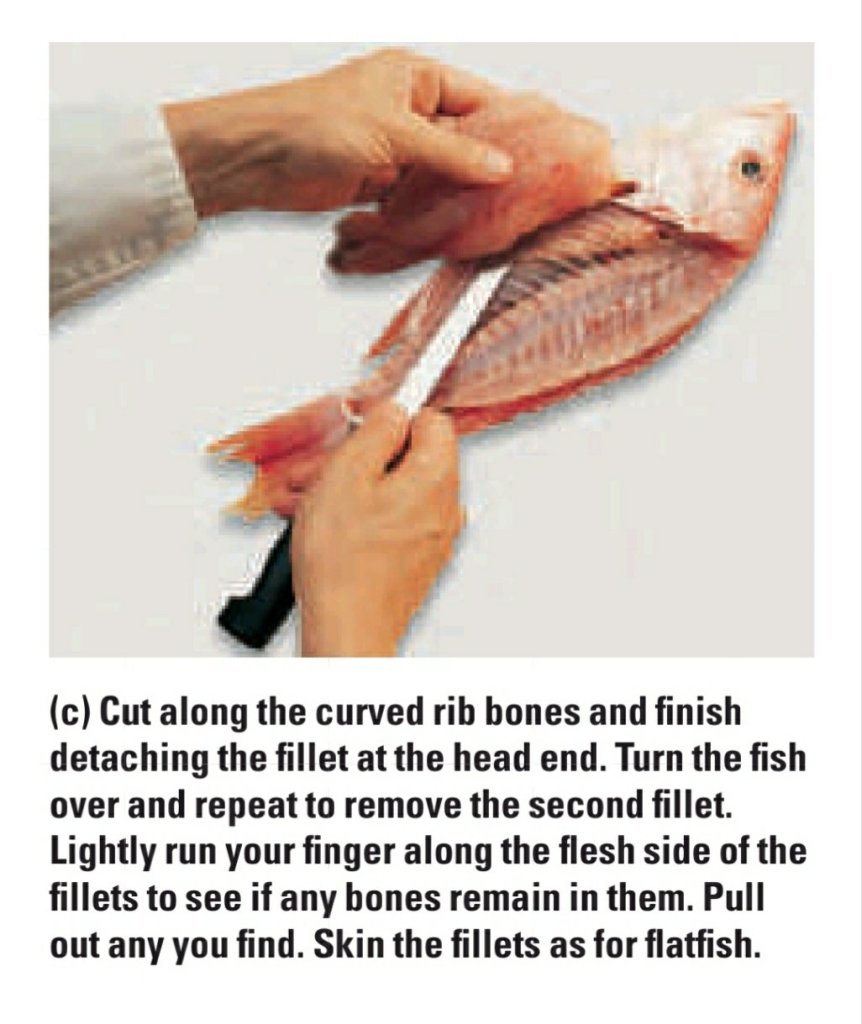
FILLETING OF FISH
- FILLETING OF FLAT FISH – Flat fish has 4 fillets.
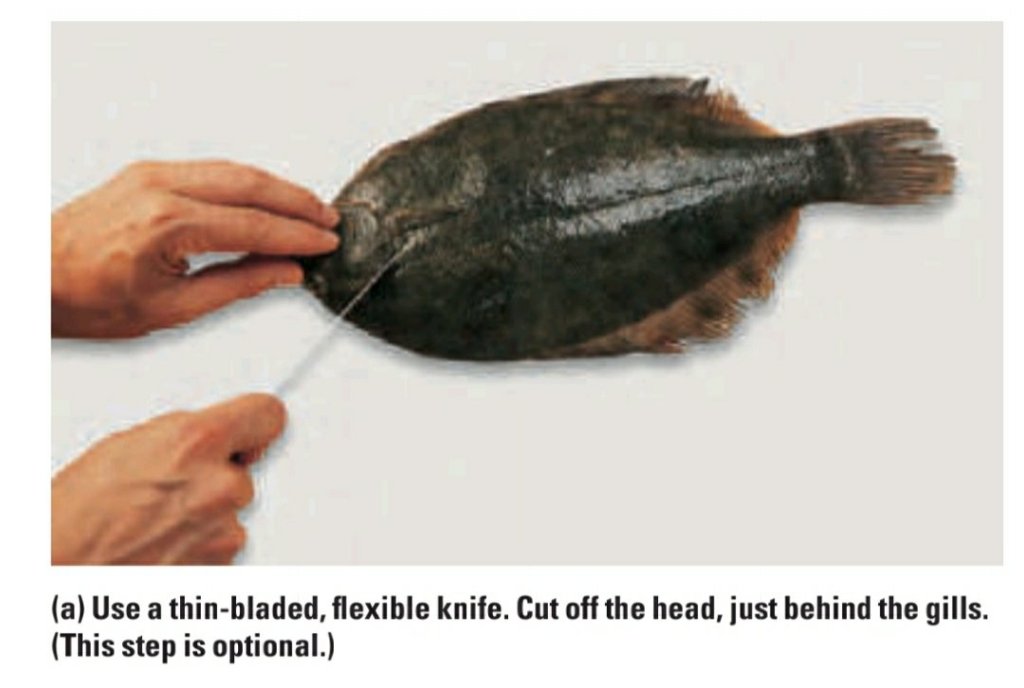
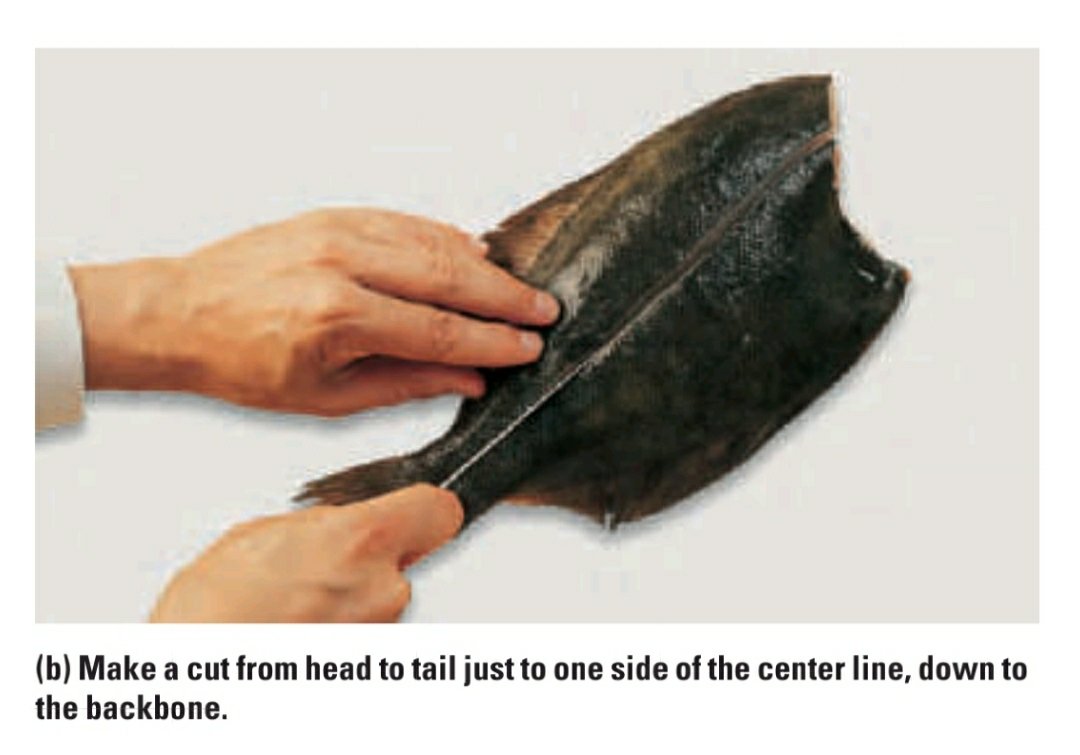
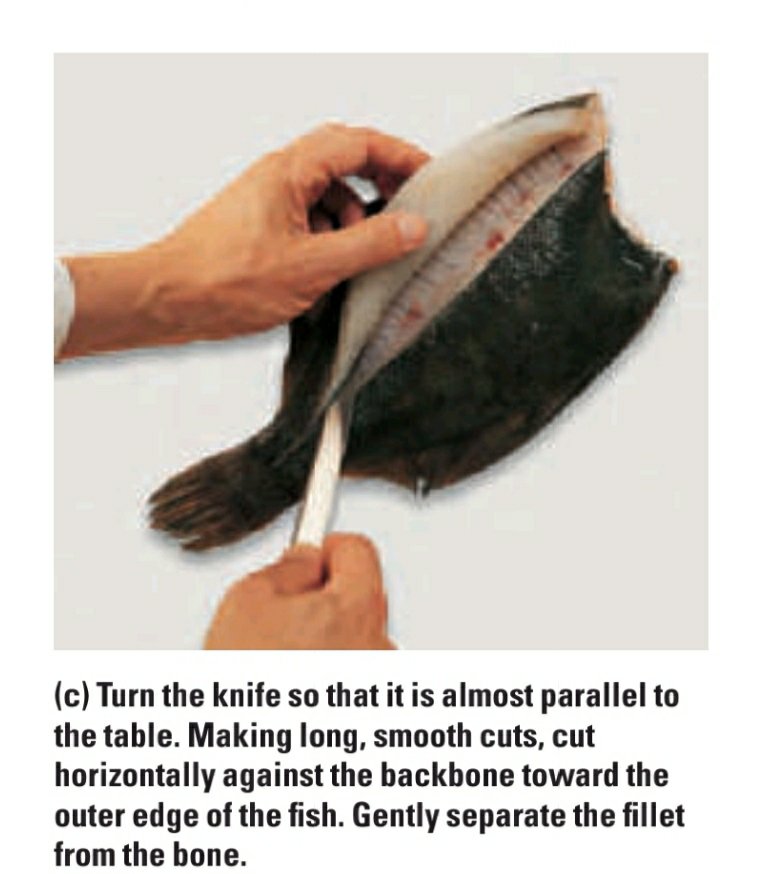
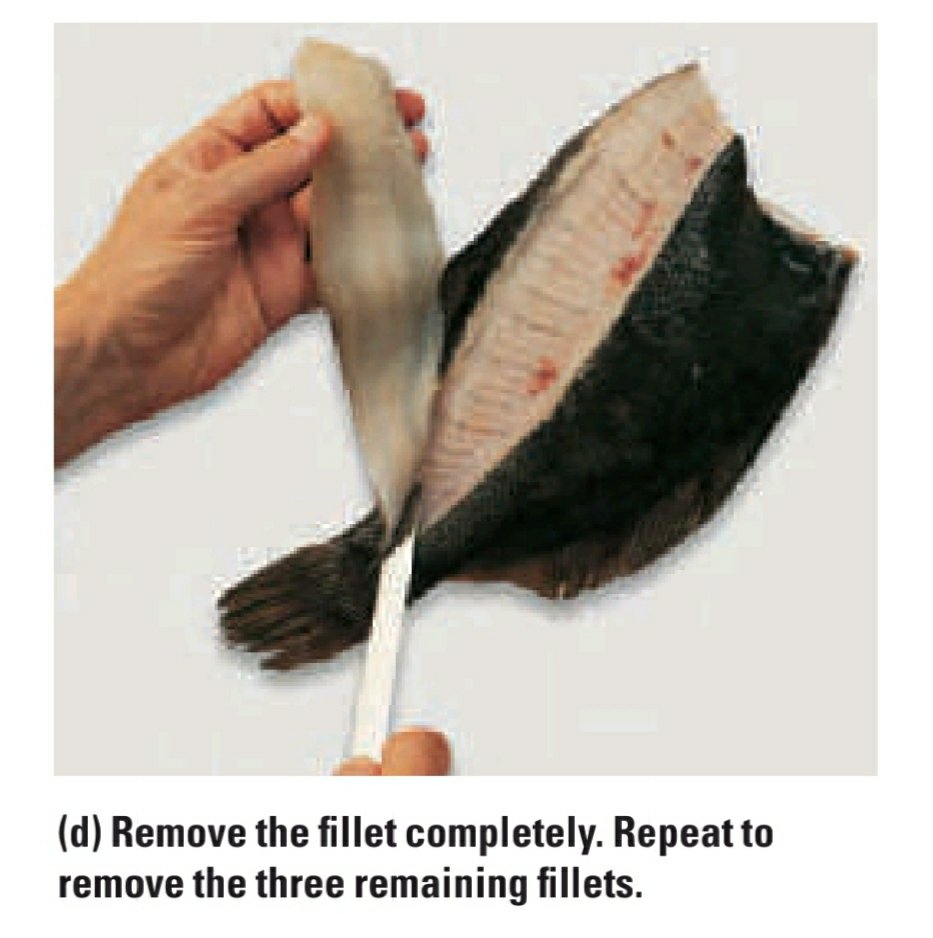
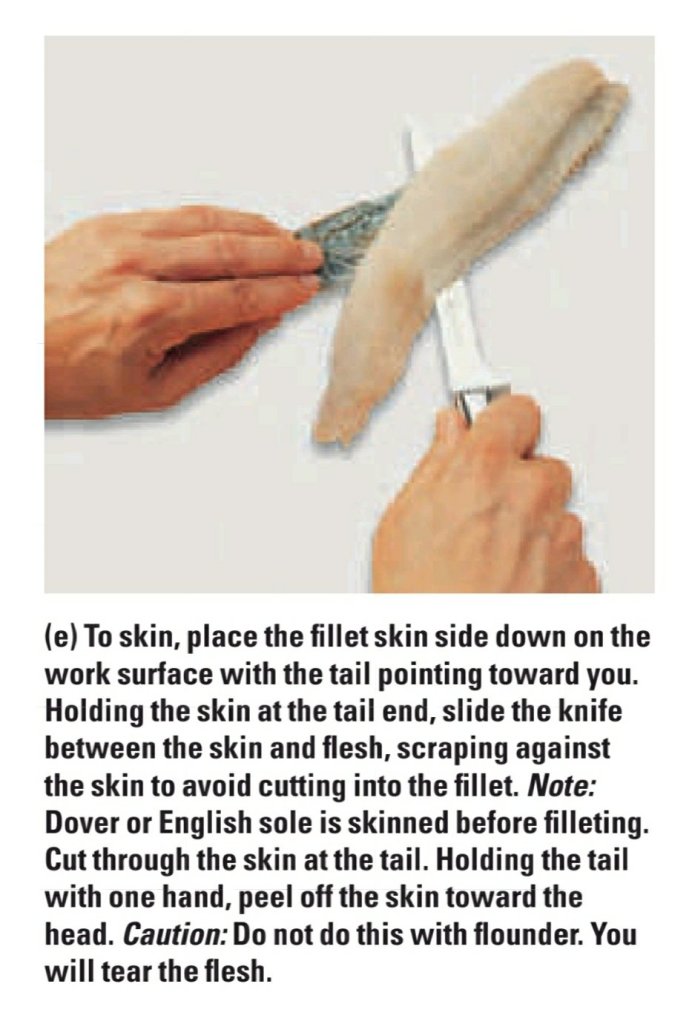
- FILLETING OF ROUND FISH – Round fish has 2 fillets.
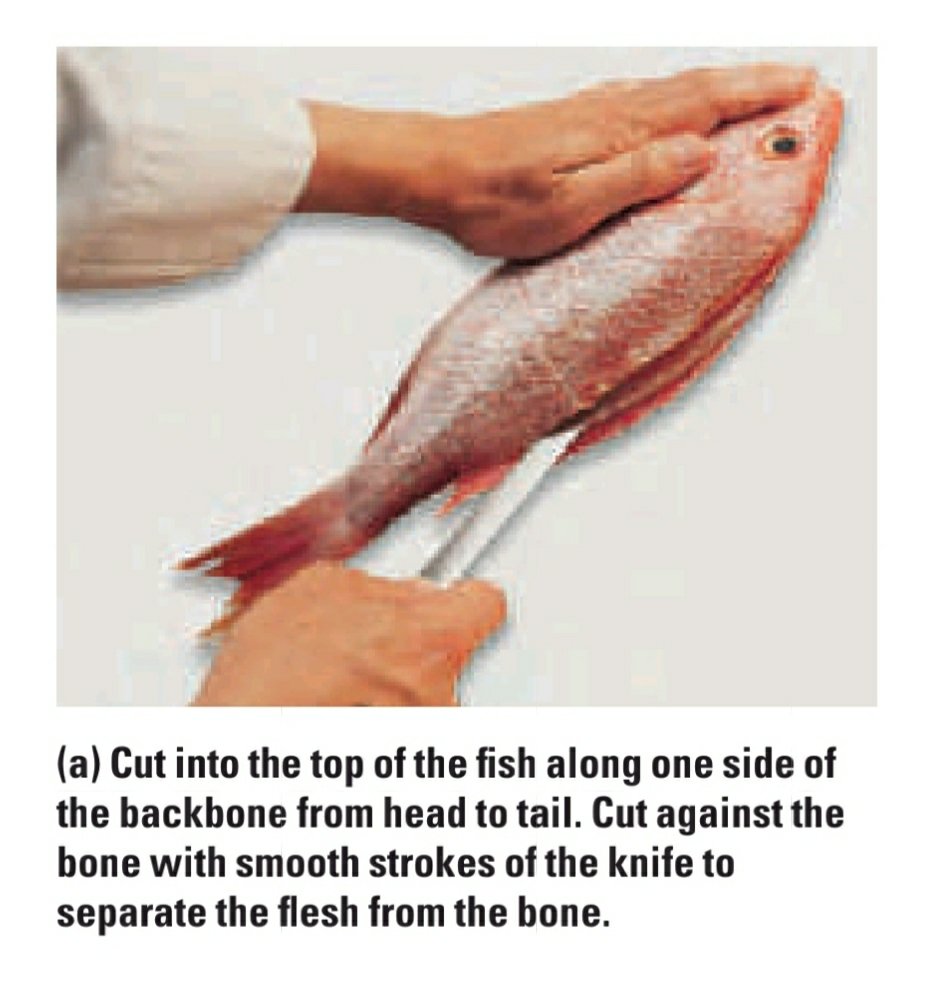
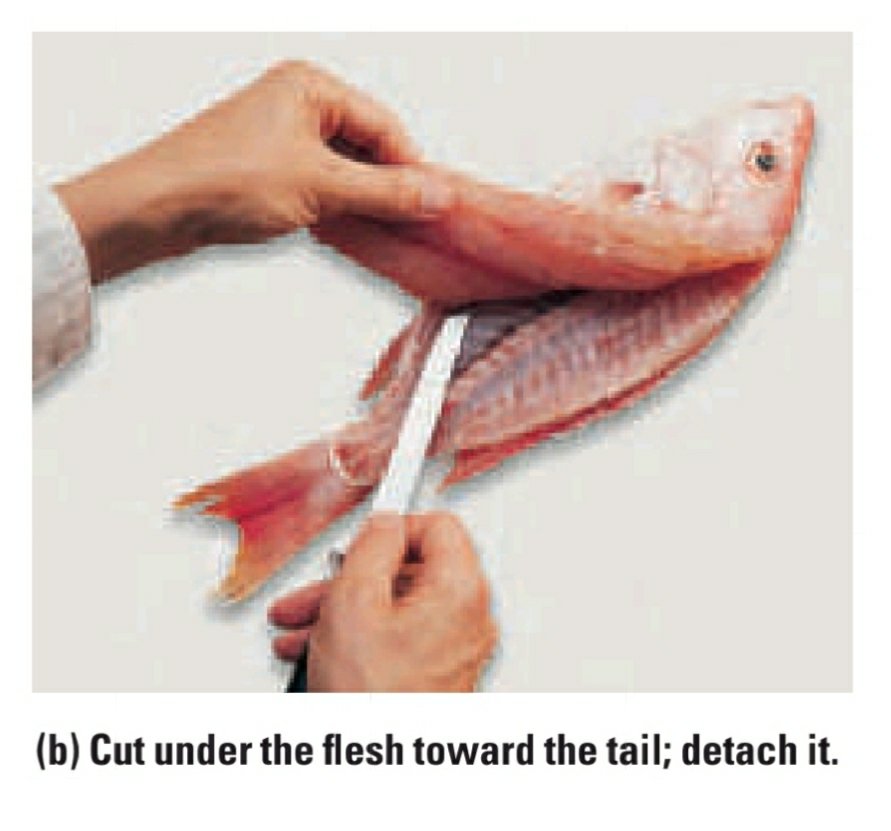
STORAGE OF FISH
- Ideal temperature for storage of fresh fish is 0°C. Ideal temperature for fish walk-in refrigerator is -2°C – 0°C.
- Fish should be stored tightly wrapped in cling film and covered with ice.
- Cut fish should never come in contact directly with ice as it discolors the flesh and draws out the juices.
 dead soul